
Newborn Sleep Guide: How to Help Your Baby Sleep Safely and Comfortably

In this guide ↓
Newborn sleep can feel unpredictable. One night your baby settles quickly; the next, they wake often for feeds and reassurance. If you are wondering what is normal, how to set up a safer sleep space, or whether a bedtime routine can help, this practical UK guide is for you.
There is no single perfect sleep schedule for a newborn. The priorities are safer sleep, responsive care and realistic expectations. Small, consistent habits can make evenings calmer without putting pressure on you or your baby.
What you will learn
- What newborn sleep can look like in the early weeks
- How to create a safer sleep environment
- How to dress your baby comfortably for sleep
- What a gentle evening routine can include
- Which common sleep products and practices to avoid
- When to ask a healthcare professional for advice
1. Understanding newborn sleep: what is normal?
Newborns do not follow adult sleep patterns. They wake frequently because they need to feed, and their day-and-night rhythm is still developing. Sleep duration and the length of each stretch vary from baby to baby.
The NHS notes that newborn babies can sleep for around 8 to 18 hours in 24 hours, but often only for short periods at a time. This is a broad guide, not a target for every baby.
What you might notice
- Frequent waking: Night feeds are normal, especially in the first months.
- Changing patterns: A baby who slept for a longer stretch yesterday may wake more often tonight.
- Short naps: Daytime sleep can be irregular while your baby adjusts to life outside the womb.
- Different needs: Hunger, discomfort, illness and growth can all affect sleep.
Reassuring perspective: Frequent waking does not mean you are doing anything wrong. Responding to your baby's needs is more important than following a rigid timetable.
2. The safer sleep checklist every parent should know
For every sleep, including naps, follow current safer sleep advice from the NHS and The Lullaby Trust.
- Always place your baby on their back at the start of every sleep.
- Use a firm, flat, waterproof mattress in a cot, crib or Moses basket that meets relevant safety requirements.
- Keep the sleep space clear: No pillows, duvets, cot bumpers, nests, positioners, soft toys or loose items near your baby.
- Share a room, not a sleep surface: The safest place for your baby to sleep for the first six months is in their own separate cot or Moses basket in the same room as you.
- Keep your baby smoke-free during pregnancy and after birth.
- Avoid overheating: Use appropriate clothing and bedding, and check your baby's chest or back of the neck rather than hands or feet.
- Never fall asleep with your baby on a sofa or armchair. This is particularly dangerous.
If you may share a bed, consult current Lullaby Trust co-sleeping guidance about risks and situations where bed-sharing is especially unsafe. Plan ahead for night feeds so that you do not accidentally fall asleep in an unsafe place.
3. How to set up a comfortable newborn sleep space
A peaceful nursery can be lovely, but safety should guide the setup. Your baby does not need an elaborate collection of sleep accessories.
A simple setup
- Choose a suitable cot, crib or Moses basket with a correctly sized, firm, flat mattress.
- Use a fitted sheet that fits securely.
- Keep the sleep space free from loose bedding and decorative items.
- Place the cot away from dangling blind cords, wires and other hazards.
- Keep the room comfortably cool and check your baby for signs of overheating.
What about room temperature?
The Lullaby Trust recommends a room temperature of approximately 16–20°C as a guide for babies' sleep. A room thermometer may help, but checking your baby's temperature and choosing suitable layers matters too.
If your baby is sweaty or their chest feels hot, remove a layer. Seek medical advice if you are worried that your baby is unwell.
4. Sleeping bags, blankets and clothing: what to choose
Appropriate clothing can help your baby stay comfortable without overheating. Follow the manufacturer's age, weight and size guidance for any baby sleeping bag.
| Option | What to consider | Safer use |
|---|---|---|
| Well-fitting baby sleeping bag | Correct size and suitable tog rating | Ensure the neck and arm openings fit so the baby cannot slip inside; avoid extra loose blankets |
| Lightweight cellular blanket | Appropriate warmth and secure positioning | Follow NHS feet-to-foot guidance and tuck the blanket securely no higher than the shoulders |
| Babygrow or sleepwear | Room temperature and fabric comfort | Use suitable layers and check for overheating |
| Hat indoors | Not needed for routine indoor sleep | Remove hats and outdoor clothing once indoors to reduce overheating risk |
Important: Avoid weighted blankets, weighted swaddles and products claiming to prevent sudden infant death syndrome (SIDS). No sleep product can eliminate the risk of SIDS.
5. A gentle newborn bedtime routine: five practical steps
A routine is a familiar sequence, not a strict clock-based schedule. For a newborn, a few calm cues can be enough.
- Notice your baby's cues. Yawning, turning away and becoming unsettled may indicate tiredness. Hunger cues also matter.
- Lower stimulation. Dim the lights and keep voices soft as evening approaches.
- Change and dress comfortably. Check the nappy and choose suitable sleepwear for the room temperature.
- Feed and comfort responsively. Newborns often need feeding and cuddling to settle.
- Place your baby on their back in their own clear, firm, flat sleep space.
Some babies settle when sleepy but awake; others need more support. Neither is a measure of parenting success. A newborn does not need to learn to self-soothe on a fixed timetable.
6. Daytime naps and nighttime feeds
Try to make daytime feel different from nighttime without forcing your baby to stay awake. Open curtains and enjoy normal household activity during the day; at night, use lower light and a quieter voice.
Feed your newborn according to their needs and the advice given by your midwife or health visitor. Some babies, especially those born early or with feeding or weight-gain concerns, may need to be woken for feeds. Ask your healthcare professional what is right for your baby.
If your baby only sleeps while being held
Contact naps can be comforting when the adult remains fully awake and alert. If you feel sleepy, transfer your baby to a safer separate sleep space. Never rely on a sofa, armchair, sling or inclined seat as a routine sleep surface.
7. Common newborn sleep mistakes to avoid
- Using pillows, nests or positioners: A clear, flat sleep space is safer than a heavily accessorised cot.
- Letting a baby routinely sleep in a car seat indoors: Car seats are for travel; move your baby to a firm, flat sleep space when you arrive.
- Adding layers without checking warmth: Overheating is a safety concern.
- Expecting long stretches too early: Newborn waking is developmentally normal.
- Falling asleep on the sofa while feeding: Prepare a safer feeding plan for times when you are exhausted.
- Trusting marketing claims over guidance: A monitor, positioner or other product cannot replace safer sleep practices.
8. When should you seek advice?
Contact your midwife, health visitor or GP if you have concerns about feeding, weight gain, unusually difficult settling or a sudden change in your baby's behaviour. Seek urgent medical help if your baby has breathing difficulties, is difficult to wake, or appears seriously unwell. In the UK, call 999 for a life-threatening emergency.
Parents need care too. If sleep deprivation is affecting your wellbeing, ask your partner, family, health visitor or GP for practical support.
Frequently asked questions about newborn sleep
How many hours should a newborn sleep?
Sleep varies widely. The NHS gives a broad range of around 8–18 hours across 24 hours for newborns, often in short stretches. Speak to your health visitor if you are concerned.
Should I wake my newborn to feed?
It depends on your baby's age, health, feeding and weight gain. Follow advice from your midwife or health visitor, particularly in the early weeks.
Can my newborn sleep on their side?
No. Place your baby on their back for every sleep. Side sleeping is not recommended because babies can roll onto their front.
When can my baby sleep in their own room?
UK safer sleep guidance recommends keeping your baby in the same room as you, in a separate sleep space, for at least the first six months.
Do white-noise machines help?
Some families find gentle background sound soothing, but evidence and individual responses vary. Keep devices at a low volume and well away from the cot, and never treat them as a safety device.
Is it safe for my baby to sleep in a bouncer or swing?
No. Bouncers and swings are not intended for routine sleep. If your baby falls asleep in one, move them to a firm, flat sleep space as soon as practical.
What is the best bedtime for a newborn?
There is no universal bedtime. Follow feeding and sleep cues, and use a calm, repeatable evening pattern rather than a rigid schedule.
Can a baby monitor prevent SIDS?
No. Consumer baby monitors have not been shown to prevent SIDS. Follow safer sleep advice regardless of whether you use one.
A calmer approach to the first weeks
Newborn sleep is not a problem you have to solve in a few days. A safe sleep environment, responsive feeding, realistic expectations and support for exhausted parents matter more than an ideal schedule.
Choose essentials that genuinely make everyday care easier, follow trusted UK safety guidance, and give your family time to find its rhythm.
Explore Chilly’s Times baby essentials →
Trusted UK sources and further reading
- NHS — Helping your baby to sleep
- NHS — Reduce the risk of sudden infant death syndrome (SIDS)
- The Lullaby Trust — Safer sleep advice
Editorial note: This guide provides general information for UK parents and does not replace individual medical advice. Always follow current safer sleep guidance and the instructions for your baby's sleep equipment.
Keep reading
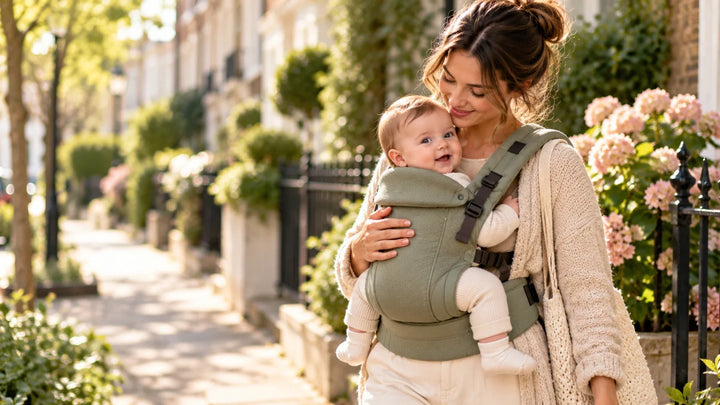
Baby Carrier Buying Guide UK: How to Choose the Right Carrier for Your Baby
Compare baby carrier types, newborn suitability, safe positioning, comfort and key features in this practical UK buying guide, with comparison tables, checklists and FAQs.
Read article →
Your Baby’s First 12 Months: A Thoughtful Guide to Comfort, Sleep & Everyday Confidence
Practical advice for navigating the first year, from newborn routines and safer sleep to baby essentials, flexible routines and FAQs.
Read article →